Best Leak Detection Services for Routine Inspections
Effective Leak Detection: Protect Your Home From Hidden Water Damage
Proper leak detection serves a vital purpose in preserving the structural soundness of a home. Undetected water damage often causes substantial financial burdens and potential health concerns. Homeowners often overlook early signs, such as unexplained stains or musty odors. By understanding these indicators and employing advanced detection methods, they can protect their property. Yet, a large number of homeowners are still uninformed about the best methods and resources at their disposal. What steps can be taken to guarantee a home stays safe from these silent threats?
Why You Should Prioritize Leak Detection
Why should homeowners prioritize leak detection? It is essential for homeowners to understand that undetected leaks can lead to serious structural damage and expensive repairs. Water penetration can weaken the integrity of walls, foundations, and electrical systems, resulting in unsafe living conditions. Moreover, persistent moisture can encourage mold proliferation, which creates significant health concerns for those living in the home.
Investing in proactive leak detection protects the home while also increasing property value. With early identification of leaks, homeowners can minimize potential harm, effectively eliminating the financial strain linked to significant repairs. Routine inspections paired with cutting-edge detection technologies can reveal concealed problems that might otherwise remain hidden. In the end, focusing on leak detection ensures the durability of the home and promotes a safer, healthier living space. By remaining attentive, homeowners can preserve their investment and sustain peace of mind.
Key Signs of Water Leaks You Need to Recognize
Although water leaks may start small, the warning signs can become more apparent when left unaddressed. Homeowners should be vigilant for several common indicators of water leaks. A common indicator includes water stains appearing on ceilings or walls, that often present as yellowish or brown discoloration. Furthermore, wet or discolored spots on flooring may indicate moisture issues below the surface.
An additional warning sign is the sound of dripping or running water when every fixture has been shut off. A dramatic spike in the water bill, lacking an apparent cause, can also signal concealed leaks. Mold and mildew development in spaces such as bathrooms or basements is another critical sign of ongoing moisture problems. Finally, distorted or buckled flooring may suggest excessive water exposure. By detecting these indicators in a timely manner, homeowners are able to take preventive steps to avoid extensive damage and expensive repairs.
Essential Methods for Effective Leak Detection
Detecting water view resource leaks promptly is essential for maintaining a home's integrity and stopping widespread harm. Several approaches exist for effective leak detection, catering to different situations and preferences. Visual inspections often serve as the first line of defense; property owners can examine for evident clues including water discoloration or mold formation. Thermal imaging technology is yet another approach that applies infrared detection to pinpoint thermal differences, indicating hidden leaks within walls or ceilings.
Acoustic leak detection employs sound waves to locate leaks, making it particularly effective for concealed or buried pipes. Pressure testing entails observing the pressure levels in plumbing systems to recognize anomalies that suggest potential leaks. Additionally, moisture meters can assess dampness in materials, providing quantitative data on possible leak sources. All of these approaches present unique benefits, allowing homeowners to select the most appropriate method for their particular needs and supporting preventative action against water damage.
Choosing the Right Leak Detection Tools for Your Home
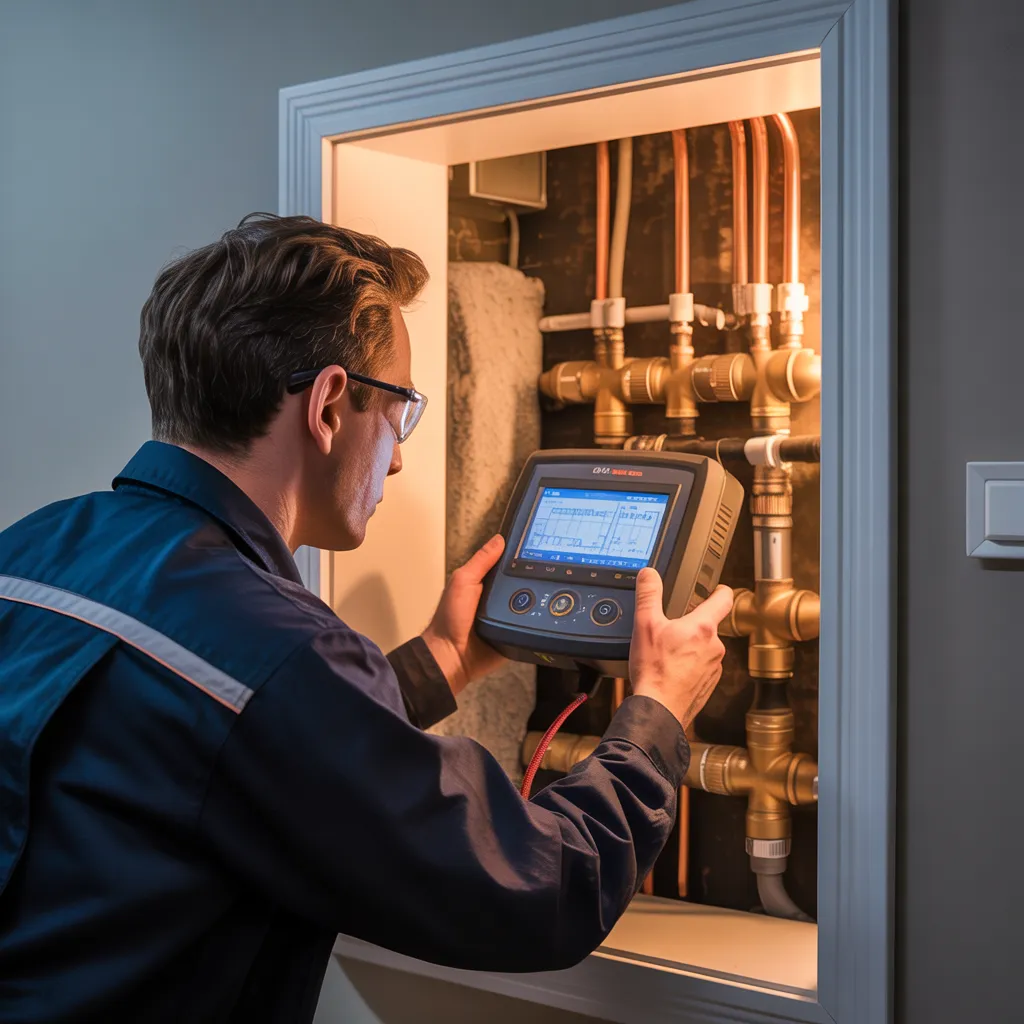
How can homeowners guarantee they are equipped with the right tools for effective leak detection? Selecting appropriate tools is essential for identifying hidden leaks before they cause significant damage. Essential equipment consists of moisture meters, which evaluate humidity levels in walls and floors, aiding in locating damp zones. Infrared imaging devices are highly beneficial, as they reveal temperature fluctuations, pointing to potential leaks hidden behind walls.
In addition, sound-based leak detection devices can identify the sound of water escaping from plumbing lines. Individuals who choose traditional techniques, simple dye tests are highly useful for testing for toilet plumbing leaks. Homeowners should also consider purchasing intelligent leak monitoring systems that offer instant notifications through digital apps. In the end, understanding the unique demands of their home and the various potential water issues will help property owners in selecting the most appropriate leak detection tools, guaranteeing they remain equipped to minimize the risk of water damage.
Establishing Preventative Actions to Combat Water Damage
Using water-resistant materials in basements, kitchens, and bathrooms can help minimize the risk of damage. Homeowners should also think about installing moisture detectors, which can provide early warnings of leaks. Proper landscaping, including sloping the ground away from the home, can direct water away from foundations. In the end, keeping indoor humidity levels in check can help prevent mold growth, which frequently results from undetected water problems. By taking these proactive steps, homeowners can greatly reduce the likelihood of costly water damage.
When Should You Hire a Professional for Leak Detection?
When should homeowners consider calling a professional for leak detection? Homeowners should consider calling a professional when they notice persistent damp spots, unexplained increases in water bills, or a persistent musty smell that remains even after thorough cleaning. Furthermore, when water stains become visible on ceilings or walls, this could be a sign of a concealed leak that demands specialized diagnostic equipment. Expert technicians are equipped with the knowledge and technology, such as thermal imaging cameras and moisture meters, to precisely determine the source of the problem.
Moreover, should a homeowner find that self-applied remedies have failed, turning to a specialist is the wise course of action to avoid compounding the issue. Houses equipped with older pipe systems or that have seen recent renovation activity face an elevated likelihood of experiencing leaks, making professional evaluation advisable. At the end of the day, timely intervention by a leak detection specialist prevents homeowners from facing major repair bills and severe water damage in the future.
Questions We Often Receive
How Regularly Should I Look for Leaks in My House?
Residents should inspect for leaks at least twice a year, preferably during seasonal transitions. Periodic evaluations allow for the early discovery of underlying concerns, limiting the extent of damage and associated expenses linked to concealed water leaks across the home.
Do Appliances Like Dishwashers or Refrigerators Have the Potential to Leak?
Absolutely, leaks can occur in household appliances such as refrigerators and dishwashers. As time passes, seals might degrade or hoses may sustain damage, leading to potential water damage if not consistently monitored and maintained.
What Are the Long-Term Effects of Undetected Water Leaks?
Unnoticed water leaks are capable of causing severe structural damage, the growth of mold, higher utility bills, and health issues. As time passes, these issues can worsen, leading to expensive repairs and potential loss of property value.
Are There Specific Seasons When Leaks Are More Likely?
Leaks are more likely in winter, because dropping temperatures lead to pipes bursting, and during spring, when snowmelt and heavy rain can overload drainage systems. Recognizing these seasonal patterns supports the implementation of preventive measures.
How Can I Tell if My Water Meter Indicates a Leak?
To find out if a water meter is detecting a leak, the meter reading should be noted before and after a period of water inactivity. A difference in the reading points to a likely leak somewhere in the system.